
- Precision Testing for Successful Embryo Implantation
Endometrial Receptivity Analysis (ERA)
Timing Matters. Improve the Chances of Successful Embryo Implantation.
Endometrial Receptivity Analysis (ERA) is an advanced diagnostic test that identifies the ideal time for embryo transfer by evaluating the genetic activity of the uterine lining. Every woman has a unique implantation window, and ERA helps personalize embryo transfer timing to improve the chances of implantation and pregnancy.
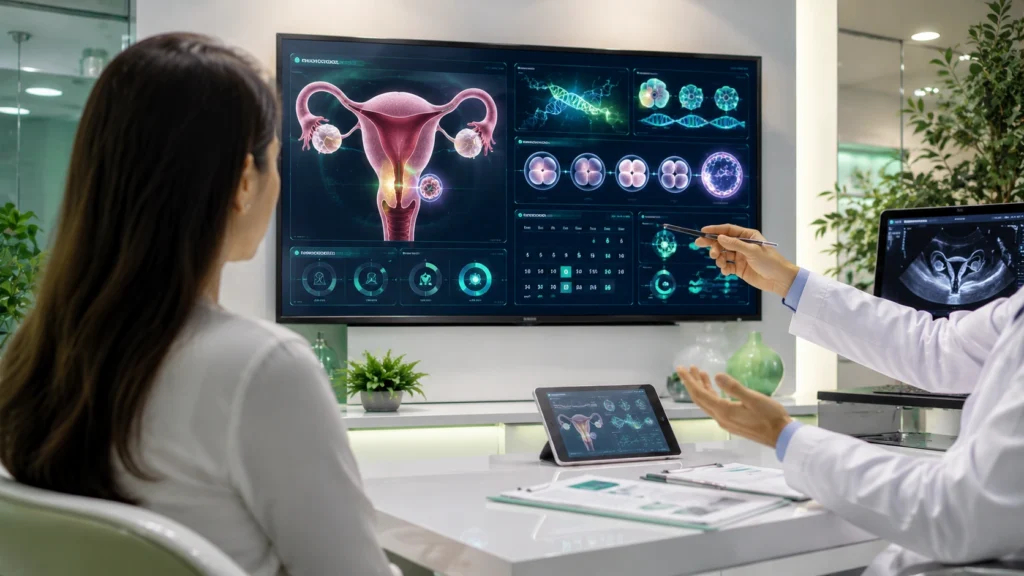
- Personalized Testing for Better IVF Success
What is Endometrial Receptivity Analysis (ERA)?
The success of IVF depends not only on embryo quality but also on transferring the embryo when the uterus is most receptive. Endometrial Receptivity Analysis (ERA) is a molecular diagnostic test that analyzes hundreds of genes within the endometrium (uterine lining) to determine the precise implantation window.
For some women, this window may occur earlier or later than expected. By identifying the optimal timing, fertility specialists can personalize embryo transfer and potentially improve IVF outcomes.
Why ERA is Performed
Identifies your personalized implantation window
Helps optimize embryo transfer timing
Reduces unsuccessful embryo transfers
Supports personalized fertility treatment
Useful after repeated IVF implantation failure
Helps improve pregnancy outcomes in selected patients
- Who Can Benefit from ERA?
Is ERA Right for You?
ERA may be recommended if you have:
- Recurrent implantation failure
- Multiple unsuccessful IVF cycles
- High-quality embryos that failed to implant
- Recurrent pregnancy loss in selected cases
- Previous failed frozen embryo transfers
- Unexplained infertility requiring advanced evaluation
- How Does ERA Work?
Step-by-Step ERA Process
01
Treatment cycle is prepared to mimic the conditions of embryo transfer.
02
A small sample of the uterine lining (endometrial biopsy) is collected.
03
The sample is sent to a specialized laboratory for genetic analysis.
04
Specialists identify whether the uterus is receptive or pre/post receptive.
05
Future embryo transfer is scheduled according to your personalized implantation window.
- COMMON QUESTIONS
Frequently Asked Questions
ERA involves a small endometrial biopsy that may cause mild cramping, similar to menstrual discomfort. Most patients tolerate the procedure well.
The biopsy itself usually takes only a few minutes. Laboratory analysis typically requires several days before results are available.
ERA helps identify the optimal timing for embryo transfer in selected patients, particularly those with repeated implantation failure. Your fertility specialist will determine whether ERA is appropriate for your individual situation.
ERA is generally performed only when clinically indicated and is not required for every patient undergoing IVF.
Yes. ERA is considered a safe diagnostic procedure when performed by experienced fertility specialists.